







- What is Community Engagement?
- For Students
- For Chambers & Businesses
- For K-12 Schools
- For Tribal Communities
- Native Advisory Council
- Tribal Task Force
- Community Partnerships
- Outreach & Events
- American Indian Student Alliance
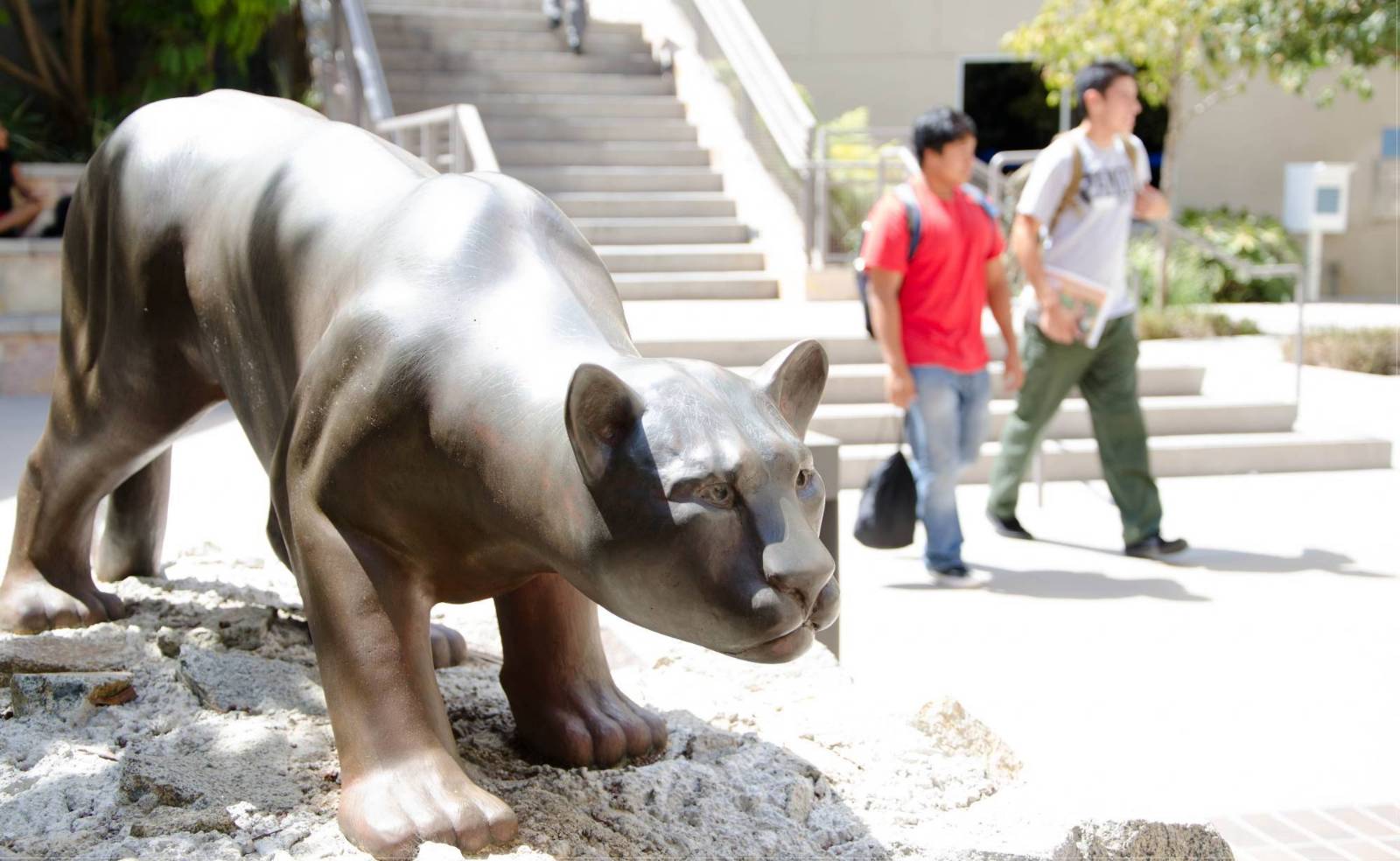
- Tukwut Statue
- For the Military Community
- Leadership North County
- Leadership Southwest County
- Awards & Accolades
- Events, Educational Programs & Resources
- Extended Learning
- Host Your Event at CSUSM
- Visit CSUSM
- Contact Us
THE CSUSM TRIBAL INITIATIVE
Built on the land of the Luiseño Indians, California State University San Marcos is proud of its impressive history of engaging the local American Indian population. Our reach extends into 25 tribal communities across San Diego, Riverside, and San Bernardino Counties—with18 of those communities located within our service region walls—and our American Indian student population at CSUSM is now at 1%. Through the efforts of a full-time tribal liaison and the efforts of a community-based native advisory council, we continue to build strategic partnerships with these communities—linkages that are producing mutually beneficial outcomes for both CSUSM and its tribal neighbors.
Why is the Tribal Initiative so important? We know that American Indian students have some of the lowest college matriculation rates and highest high school dropout rates in the country. The high school graduation rate among American Indian students remains below 50%, and many of these students drop out even before they reach ninth grade. At CSUSM, we have made reversing these numbers a priority and, through our purposive efforts that drive the Tribal Initiative, we are making progress, and have exponentially increased our recruitment and retention of students from this traditionally underserved student population.
Distinguishing Factors: Tribal Initiative “Points of Pride”
- CSUSM Tribal Liaison. As the first full-time tribal liaison appointed in the CSU, this individual connects the University to the tribal communities and helps create and advance numerous collaborative activities.
- California Indian Culture and Sovereignty Center (CICSC): As the first center of its kind in the CSU, the CICSC is dedicated to the support and advocacy of tribal communities, students, and faculty across the state.
- The President’s Native Advisory Council. Comprised of representatives from most neighboring tribes and tribal education leaders, this first-in-the-CSU advisory council advises the President on University relations with the regional Native American communities and articulates the educational needs of local tribal nations to the University.
- Tribal Task Force. Comprised of administrators, staff, and faculty from across colleges and disciplines engaged in and with tribal communities to support students, the task force engages tribal members in the production and dissemination of educational materials, considers integration of native studies into course content, and promotes native studies activities and programs like Native Heritage Month and California Indian Days.
- The American Indian Student Alliance (AISA). The mission of this student organization is to increase awareness of American Indian culture, to promote the educational experience of American Indians on campus, and to facilitate leadership opportunities for American Indian students on campus.
- Santa Ysabel Band of Digueño Indians Guaranteed Admission Agreement. Signed in 2007, this agreement guarantees Santa Ysabel students admission to Cal State San Marcos—and to any CSU—upon the satisfactory completion of required coursework.
Strategic Connections: Tribal Initiative Signature Activities
- Tribal Education Summit. The annual summit held in the fall semester brings together local tribal leaders and American Indian education professionals to identify the current issues affecting American Indian education, and to discuss how Cal State San Marcos and its tribal neighbors can work more strategically in partnership to address these issues.
- Report to Tribal Nations. Hosted in one of our neighboring tribal communities, this annual spring presentation by CSUSM President Karen Haynes provides the larger tribal community with report on the collaborative efforts with the tribal community, with emphasis on the progress made in increasing access and creating pathways to college of American Indian students, thus improving the higher education attainment levels for the Native population.
- American Indian Honoring Ceremony. This annual spring ceremony recognizes American Indian students who are completing their degrees. Tribal community members, students’ families, and key administrators attend a special ceremony to honor the hard work and dedication of these students in earning their degrees.
- American Indian Welcoming Day. This fall program brings together members of the Native Advisory Council and the campus community to welcome and pledge support to incoming and returning American Indian students.
See recent coverage on Native American Graduates
-
Many other significant initiatives have been launched since 2004 and infrastructure is in place to continue working in a meaningful and respectful way with our indigenous neighbors. Learn more about these initiatives:
- Native Advisory Council
- Tribal Task Force
- Community Partnerships
- American Indian Student Alliance
- Tukwut Statue
- Outreach and Events