Current Research
Mothers are essential to offspring well-being and survival. As such, situations that disrupt the maternal-infant bond (e.g. maternal depression, drug use) can be devastating to the health and welfare of offspring, and even fatal. Thus, it is important to identify factors that may motivate mothers to perform nurturing offspring-directed care. In the perinatal period, there are many neuromechanistic changes, such as alterations in the vigilance and reward systems in the brain that may motivate mothers to engage in maternal behavior. My long-term research objective is to use both behavioral and physiological measures to assess the impact of the prenatal environment (arousal, stress, mood, neuroendrocrine regulation) on subsequent developmental trajectories of offspring related to the vulnerability of depression.
I maintain both a mouse and human maternal behavior lab. The Human Lab has two current projects as listed below. I am always looking for reliable and motivated students to assist with my research. Links for respective lab applications can be found below.
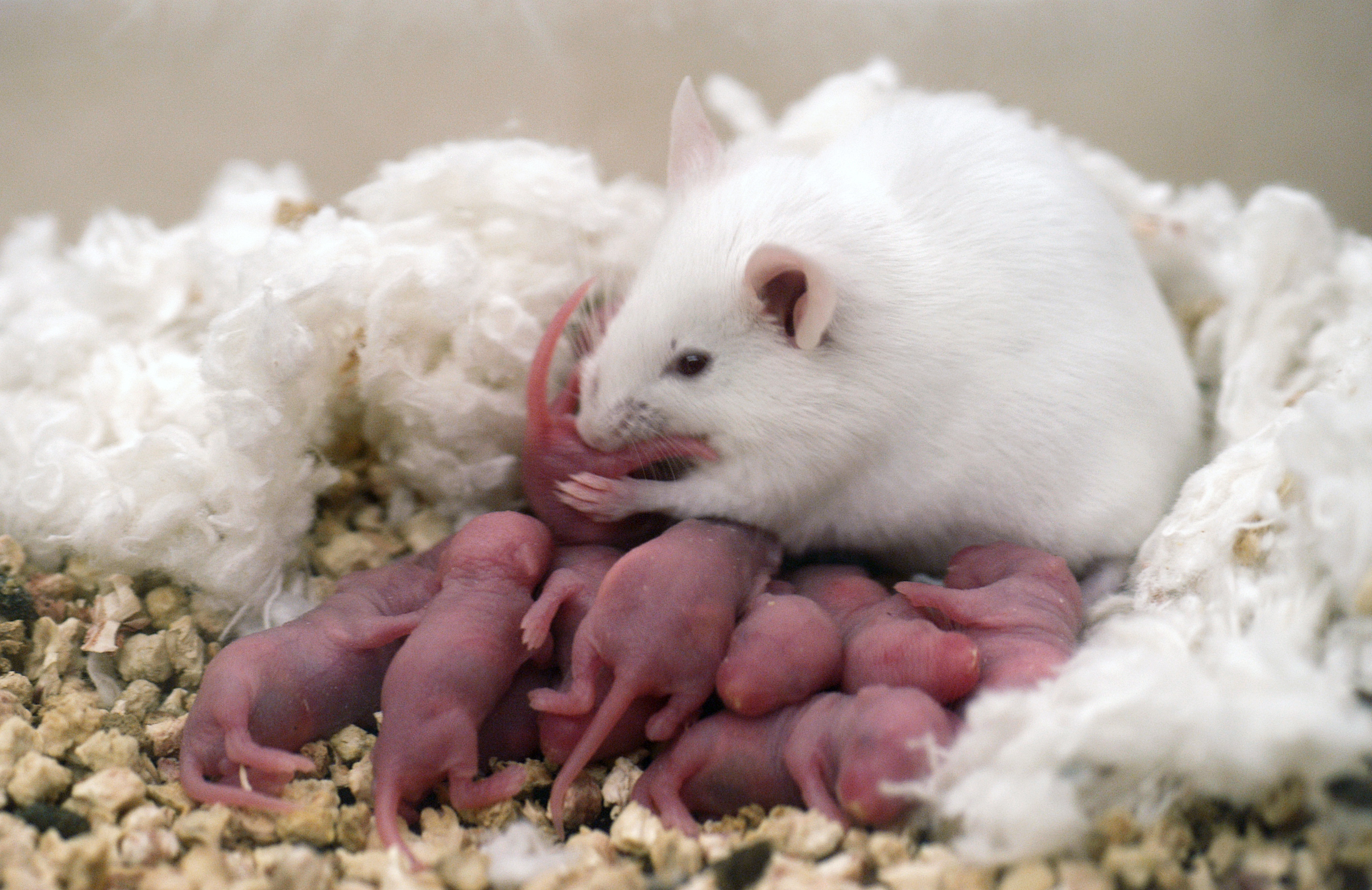
The mouse lab includes a variety of behavioral (e.g maternal behavior testing, and stress anxiety measures) as well as physiological measures looking at how the neurobiology of arousal and stress related peptides in the brain affect maternal behavior. A model of postpartum depression was created to look at maternal behavior in mice. The lab breeds mice and test are conducted on the them such as tail suspension which measures depression and the t-maze which measures their maternal motivation. The mice's behavior is then scored by pup retrieval, time spent with her pups, and time they spend grooming their pups etc. Implementing these stressors to the mice allows students to look at the behavioral changes in the mice when they undergo different stressors. Students in this lab will be responsible for working with and testing on live animals and will gain further knowledge on maternal behavior in mice.
Human Lab:
Human Lab Application
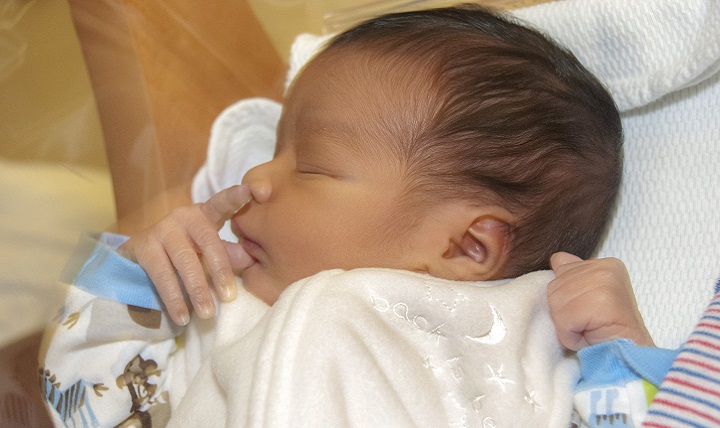
Project One: Mexican- American women report higher levels of depression during pregnancy when compared to their US counterparts. This research will examine the association with cultural factors and increased risk for mental health problems during pregnancy. Their children will be followed through preschool and examined as well. Students in this lab will be involved in all levels of the project such as recruitment and retention of participants, saliva and hair collection, child temperament and symptom assessment, sample management and performance of cortisol assays. Thus, providing students with critical translational research experience for students
Project Two: This project includes, pilot interventions to decrease gestational weight gain in obese pregnant women. Obese women who are at risk for increase gestational weight gain are also at risk for other health conditions like hypertension, preeclampsia, and gestational diabetes, which all are a risk factors for adverse infant outcomes. This research lab focuses on health research teams to pilot a group prenatal visit interventions to decrease gestational weight and optimize offspring health. This research project with provide, students with critical translational research experience for students.
Psyc 391 Laboratory in Physiological Psychology: Teaches advanced research methods in physiological processes underlying brain function and behavior as well as application of methodological principles to research in such areas as neuroanatomy, physiology, behavioral neuroscience and psychopharmacology.
Psyc 360 Biopsychology: Introduction to the biological bases of behavior, including material central to physiological psychology, comparative psychology, behavioral genetics, and sensory psychology. Issues to be addressed include but are not limited to neuroethology, behavioral endocrinology, evolutionary theory, sociobiology, and sensory systems.
Psyc 361 Brain and Mind: Examines the relationship between the brain, and how the brain produces behavior. Intended for non-majors, this course will review basic neuroanatomy and physiology, and consider mind/brain relations in the context of psychoactive drugs, brain development, neurological disorders, sexual behavior, and cognitive abilities such as language, memory, thinking, and consciousness.
My current CV
PUBLICATIONS
(*-denotes work with trainee coauthors)
Lara-Cinisomo, S, D’Anna-Hernandez, K.L., Fujimoto, E, Pedersen, C. (2018). Exploring associations between perinatal depression, anxiety, and urinary oxytocin levels in Latinas. Archives of Women’s Mental Health: in press.
Maldonado, A.*, & D’Anna-Hernandez, K.L. (2018). Acculturative stress, mental health symptoms, and the role of salivary inflammatory markers among a Latino sample. Cultural Diversity & Ethnic Minority Psychology, 24(2): 277-283.
Hoffman, M.C., D’Anna-Hernandez, K.L., Benitez, P.*, & Laudenslager, M.L. (2017) Cortisol during human fetal life: Characterization of a method for processing small quantities of newborn hair from 26 to 42 weeks gestation. Developmental Psychobiology, 59(1): 123-127.
Preciado, A.* & D’Anna-Hernandez, K.L. (2017) Acculturative stress and trajectory of anxiety symptoms during pregnancy in Mexican-American women. Journal of Anxiety Disorders, 40: 2835.
Hoffman, M.C., D’Anna-Hernandez, K.L., Benitez, P., & Laudenslager, M.L. (2016). Cortisol during human fetal life: Characterization of a method for processing small quantities of newborn hair from 26 to 42 weeks gestation. Developmental Psychobiology: in press.
D’Anna-Hernandez, KL, Garcia, E*, Hoffman, MC, Ross, RG, and Laudenslager, ML. (2016). Alterations in sleep patterns lead to adverse birth outcomes in Mexican-American women. Maternal and Child Health: 20(2): 422-433.
D’Anna-Hernandez, KL, Aleman, B, Flores, AM. (2015) Acculturative stress, but not acculturation, predicts maternal depression in Mexican-American women during pregnancy. Journal of Affective Disorders: 176: 35-42.
D’Anna, KL, Hunter, SK, Zerbe, GO and Ross, RG (2013). Paternal substance abuse disorders worsen the trajectory of maternal depressive symptoms during the first year postpartum, Mental Illness: 5:e1.
*Hunter SK, Mendoza JH, D'Anna K, Zerbe G, McCarthy L, Hoffman C, Freedman R, Ross RG (2012). Antidepressants may mitigate the effects of prenatal maternal anxiety on infant auditory sensory gating. American Journal of Psychiatry: 169(6): 616-624.
D’Anna-Hernandez, KL, Hoffman , MC, Coussons-Read, ME, Laudenslager, ML, and Ross, RG. (2012). Maternal blunted cortisol slope during pregnancy is associated with acculturation and low infant birth weight in US Mexican women, Psychosomatic Medicine: 74(3):296-304
*Coussons-Read, ME, Lobel, MJ, Carey, JC, Kreither, MO, D’Anna, KL, Argys, L., Ross, RG, Brandt, C, Cole, S. (2012). The occurrence of preterm delivery is linked to pregnancy-specific distress and elevated inflammatory markers across gestation. Brain Behavior and Immunity: 26(4): 650-659.
D’Anna-Hernandez, KL, Ross, RG, Natvig CL, and Laudenslager, MLL. (2011). Hair cortisol levels as a marker of stress during pregnancy: Comparison to salivary cortisol, Physiology and Behavior. 104(2): 348-353.
Gammie SC, D’Anna KL, Gerstein H, Stevenson SA. (2009). Neurotensin inversely modulates maternal aggression. Neuroscience. 158(4): 1215-23.
D'Anna KL and Gammie SC. (2009). Activation of corticotropin-releasing factor receptor 2 in lateral septum negatively regulates maternal defense. Behavioral Neuroscience. 123(2): 356-68.
D'Anna KL, Stevenson SA, Gammie SC. (2008). Maternal profiling of corticotropin-releasing factor receptor 2 deficient mice in association with restraint stress. Brain Research. 1241: 110-21.
*Gammie SC, Edelmann MN, Mandel-Brehm C, D'Anna KL, Auger AP, Stevenson SA. (2008). Altered dopamine signaling in naturally occurring maternal neglect. PLoS ONE. 3(4): e1974.
D’Anna KL and Gammie SC. (2006). Hypocretin-1 dose-dependently modulates maternal behaviour in mice. Journal of Neuroendocrinology. 18(8):553-66.
D’Anna, KL., Stevenson, SA and Gammie, SC. (2005). Urocortin 1 and Urocortin 3 impair maternal defense behavior in mice. Behavioral Neuroscience, 119(4):1061-71.
Gammie SC, Hasen NS, Stevenson SA, Bale TL, D’Anna, KL. (2005). Elevated stress sensitivity in corticotropin-releasing factor receptor 2 deficient mice decreases maternal, but not intermale aggression. Behavioural Brain Research, 160(1):169-77.
Book Chapters and Reviews
Gammie, SC, D’Anna, KL, Lee, G, Stevenson, SA. 2008. Role of Corticotropin releasing factor-related peptides in the neural regulation of maternal defense. In R.S. Bridges (Eds.), Neurobiology of Parental Brain. Elsevier. 101-114
D’Anna-Hernandez, KL. The Oxford Handbook of Psychoneuroimmunology Book Review. Brain, Behavior and Immunity: in press.


 myCSUSM