

 myCSUSM






Special Education Combined Credential & MA Degree
The Special Education Combined Credential and Master’s Degree Program blends our special education (Education Specialist) credential program with our Master of Arts (MA) in Special Education to support candidates who want to seamlessly combine their credential and master’s program together. Candidates join a small cohort of peers to complete their ES credential(s) in two semesters and take two additional courses and an advising class to assist them in completing a thesis or project for their MA in Special Education. The pathway leverages the ES credential coursework as applicable units towards a master’s degree so candidates can quickly complete their desired special education credential(s) and master’s degree.
As a program built for working professionals, we offer hybrid, evening classes in Phase One which focuses on earning one or two special education (ES) teaching credentials. In addition, candidates have the flexibility to complete their Phase One clinical practice requirements as Interns, Residents, or Student Teachers. Candidates only seeking ES Credentials may exit the program after Phase One. During Phase Two, candidates complete the remaining requirements for the MA in Special Education and enroll part-time in fully online classes which eliminates travel and reduces the overall program cost.
Why Choose CSUSM?
- Our program philosophy centers on inclusive educational practices and collaborative teaming
- Our credential program is integrated with our master’s degree
- Our program is hybrid with a mix of in-person and online courses
- Our faculty and clinical partners work closely to ensure you are well prepared
- Our programs are cohort-based with smaller class sizes
- We guide you to funding/grants/scholarships to help with program costs which is also less expensive than other universities
- We partner with over 36 districts/academies from Riverside to San Diego
- San Diego employers seek our students – they look to hire our graduates first!
- 80% of our alumni remain in our local community
- 97% of our graduates felt our program was effective to very effective in developing the tools and skills needed to become a special educator
Program Overview
Credentials Offered
- Mild to Moderate Support Needs - Preliminary Education Specialist Instruction Credential
Authorizes instruction of students kindergarten through 22 years of age with mild to moderate support needs with a primary disability of:
- Autism Spectrum Disorder
- Emotional Disability
- Intellectual Disability
- Multiple Disabilities
- Orthopedic Impairment
- Other Health Impairment (e.g. Attention Deficit Disorder)
- Specific Learning Disability
- Traumatic Brain Injury
- Extensive Support Needs - Preliminary Education Specialist Instruction Credential
Authorizes instruction of students kindergarten through 22 years of age with extensive support needs with a primary disability of:
- Autism Spectrum Disorder
- Deaf-Blindness
- Emotional Disability
- Intellectual Disability
- Multiple Disabilities
- Orthopedic Impairment
- Other Health Impairment (e.g. Attention Deficit Disorder)
- Specific Learning Disability
- Traumatic Brain Injury
Phase One
- Two Semesters, Full-Time
- Coursework and Clinical Practice
- Focus on Mild to Moderate Support Needs (MMSN) and/or Extensive Support Needs (ESN) Education Specialist Credentials
- Fall One – Education Specialist Instruction Credentials: Mild to Moderate Support
Needs and Extensive Support Need
- EDMX 630 Diverse Learners with Disabilities and Their Families (3 units)
- EDMX 627 Assessment for Planning and Instruction (3 units)
- EDMX 631 Foundations in Law, Ethics, and Procedures of Special Education (3 units)
- EDMX 575 Transition Development Plan Seminar (2 units) (MMSN only)
- EDMX 572 Education Specialist-Clinical Practice: Special Education Setting (7 units) (MMSN only)
Internship Options available for both MMSN and ESN
- Spring One - Education Specialist Instruction Credentials: Mild to Moderate Support
Needs and Extensive Support Need
- EDMX 632 Instructional and Assistive Technology (3 units)
- EDMX 633 Creating Accessible Learning Environments (3 units)
- EDMX 622 Literacy for Education Specialists (4 units)
- EDMX 635 Curriculum and Instruction for Students with Extensive Support Needs (4 units) (for those seeking ESN)
- EDMX 636 Communication and Positive Behavioral Supports (4 units) (ESN only)
- EDEX 660 - Transition Plan Development (2 Units)
- EDMX 573 Education Specialist - Clinical Practice: Extensive Support Needs (7 units) (ESN only)
Internship Options available for both MMSN and ESN
Phase Two
- Two Semesters, Part-Time, Online
- Remaining MA in SPED Coursework (EDUC 622 and EDEX 602) and culminating experience (EDUC 698)
- Total number of units range depending on which Credential and MA Pathway you select
- Program Student Learning Outcomes
Professional Dispositions: Demonstrate positive professional dispositions and ethics inclusive of social justice and equity, collaboration, critical thinking, professional ethics, reflective teaching and learning, and life-long learning.
Culturally Proficient Inclusive Schooling: Develop an action plan for creating and sustaining a culturally proficient inclusive schooling environment.
Assessment and Program Planning: Conduct and analyze formal and/or informal assessment data to develop assessment reports and Individual Education Program goals based upon individual students’ assessed needs.
Research Analysis: Analyze and integrate research in educational and professional settings.
- Core Courses
Master of Arts in Special Education Core Required Courses: (24 units)
- EDEX 602 - Culturally Proficient Inclusive Schooling in a Pluralistic Society Units: 3
- EDMX 622 – Literacy for Education Specialists Units: 4
- EDMX 627 - Assessment for Planning and Instruction Units: 3
- EDMX 630 - Diverse Learners with Disabilities and Their Families Units: 3
- EDMX 631 - Foundations in Law, Ethics, and Procedures of Special Education Units: 3
- EDMX 632 - Instructional and Assistive Technology Units: 3
- EDMX 633 - Creating Accessible Learning Environments Units: 3
- EDUC 622 - Research Methods in Education Units: 3
- EDUC 698 - Master’s Culminating Experience Seminar Units: 3
- Select an MA + Credential(s) Pathway
These pathways include clinical practice and internship courses required to obtain Mild to Moderate and/or Extensive Support Needs Credentials.
Pathway 1: Master of Arts in Special Education and Mild to Moderate Support Needs Credential (Traditional Clinical Practice) 9 units
- EDMX 572 - Education Specialist — Clinical Practice: Special Education Setting Units: 7
- EDMX 575 - Education Specialist — Transition Development Plan Seminar Units: 2
CORE + Pathway 1 = 37 units
Pathway 2: Master of Arts in Special Education and Mild to Moderate Support Needs Credential (Full Year Internship) 16 units
- EDMX 575 - Education Specialist — Transition Development Plan Seminar Units: 2
- EDMX 671 - Education Specialist –Mild to Moderate Support Needs Intern I Units: 7
- EDMX 672 - Education Specialist – Mild to Moderate Support Needs Intern II Units: 7
CORE + Pathway 2 = 44
Pathway 3: Master of Arts in Special Education and Mild to Moderate Support Needs Credential (Semester Internship) 9 units- EDMX 575 - Education Specialist — Transition Development Plan Seminar Units: 2
- EDMX 672 - Education Specialist – Mild to Moderate Support Needs Intern II Units: 7
CORE + Pathway 3 = 37 units
Pathway 4: Master of Arts in Special Education and Mild to Moderate Support Needs and Extensive Support Credentials 24 units
- EDMX 572 - Education Specialist — Clinical Practice: Special Education Setting Units: 7
- EDMX 573 – Education Specialist – Clinical Practice: Extensive Support Needs Units: 7
- EDMX 575 - Education Specialist — Transition Development Plan Seminar Units: 2
- EDMX 635 – Curriculum and Instruction for Students with Extensive Support Needs Units: 4
- EDMX 636 – Communication and Positive Behavioral Supports Units: 4
CORE + Pathway 4 = 52 units
Pathway 5: Master of Arts in Special Education and Extensive Support Needs Credential 15 units- EDMX 635 – Curriculum and Instruction for Students with Extensive Support Needs Units: 4
- EDMX 636 – Communication and Positive Behavioral Supports Units: 4
- EDMX 573 – Education Specialist – Clinical Practice: Extensive Support Needs Units: 7
CORE + Pathway 5 = 43 units
Pathway 6: Master of Arts in Special Education and Extensive Support Needs Credential Full Year Internship 22 units- EDMX 635 – Curriculum and Instruction for Students with Extensive Support Needs Units: 4
- EDMX 636 – Communication and Positive Behavioral Supports Units: 4
- EDMX 673 – Education Specialist – Extensive Support Needs Intern I Units: 7
- EDMX 674 – Education Specialist – Extensive Support Needs Intern II Units: 7
CORE + Pathway 6 = 50 units
Pathway 7: Master of Arts in Special Education and Extensive Support Needs Credential Semester Internship 15 units
- EDMX 635 – Curriculum and Instruction for Students with Extensive Support Needs Units: 4
- EDMX 636 – Communication and Positive Behavioral Supports Units: 4
- EDMX 674 – Education Specialist – Extensive Support Needs Intern II Units: 7
CORE + Pathway 7 = 43 units
- Completion Requirements
The following completion activities apply to all Master of Arts in Special Education students:
- Successful completion of the core courses with a minimum 3.0 GPA
- Advancement to candidacy
- Completion of a culminating experience under the direction of a faculty committee
- Continual enrollment in EDUC 698 until successful completion of the culminating experience
- Up to nine (9) units of graduate-level coursework from another approved Special Education program may be accepted and transferred into the CSUSM program with faculty approval.
Admission Requirements
- CSUSM Graduate Application and related fees
- Valid Preliminary (with Teacher Performance Assessment) or Clear Multiple or Single Subject Credential with English Learner Authorization issued by the California Commission on Teacher Credentialing (CCTC)
- Two (2) letters of recommendation from individuals familiar with your work in the field of education
- Bachelor’s Degree as evidenced by official transcripts
- GPA of at least 2.67
- Tuberculin Clearance
- CPR Certification
- Statement of Purpose
Application Dates
Fall 2027 Cohort
-
- Priority applications accepted between October 1, 2026 – April 1, 2027; Final Deadline May 1, 2027
Fall 2028 Cohort
-
- Priority applications accepted between October 1, 2027– April 1, 2028; Final Deadline May 1, 2028
FAQs
- What is the cost of the program?
During Phase One you will pay full time graduate tuition. During Phase Two you will pay part time graduate tuition.
- What type of financial support is available for future education specialists?
Paying for your CSUSM credential program may be more affordable than you think. Please visit our financial resources page at School of Education Scholarship and Grants.
- What is the modality of the program?
Credential courses are a mix of in-person and online. Clinical Practice (via traditional clinical practice, internship or teacher residency programs) must be completed in person in the region. Master’s only courses are fully online.
- What are internships and teacher residencies? Do you offer these options?
Yes, we partner with school districts in our region to offer you both paid internships or teacher residency options. This occurs when you are obtaining your education specialist credentials.
Teacher Residency: A teaching residency is a program that allows future educators to earn their teaching credential while working alongside an experienced mentor teacher. Stipends are given to candidates. Some refer to it as “paid student teaching.”
Internships: As an intern teacher, you are employed as the “teacher of record” in a classroom while you complete your credential program and earn a teacher’s salary w/benefits. It’s a great option for those with prior experience working in a classroom as a paraprofessional or another role assisting students. - How many additional courses are required to add the MA in Special Education once I
obtain my credentials?
Two additional courses and a culminating experience (Thesis or Project) are required to complete the MA in Special Education. MA only requirements can be done fully online.
- Will I need to complete a Teacher Performance Assessment for each credential I obtain?
No, the California Commission on Teacher Credentialing specifies that teacher candidates seeking multiple credentials will only be held to one TPA. Applicants who completed their TPAs for their preliminary or Clear credential do not need to complete TPAs for additional credentials.
Faculty
- Emiliano Ayala
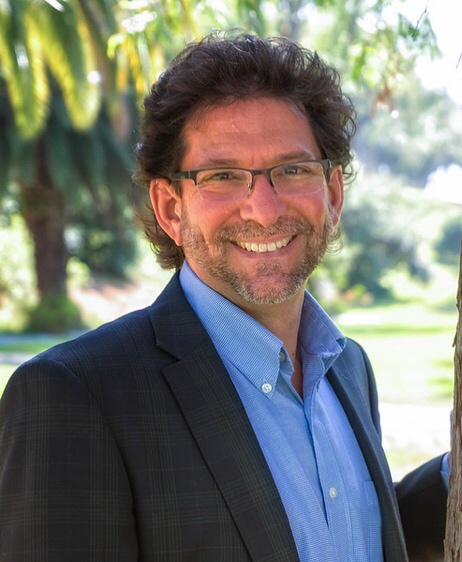
Dr. Emiliano C. Ayala is a Professor of Special Education for the School of Education at California State University at San Marco. His primary instructional responsibilities include teaching courses in the Education Specialist (special education) credential programs as well as offering doctoral, graduate, and undergraduate courses supporting future California educators. Prior to his faculty appointment, Dr. Ayala served as Dean for the College of Education, Health and Human Services (CEHHS) at California State University San Marcos. In addition, he has served in various faculty and administrative roles at Sonoma State University and Humboldt State University. Dr. Ayala studies, writes, and speaks about the impact of cultural diversity in K-12 education, policy and legal issues in special education, administrative policy and practice in higher education, and Universal Design for Learning (UDL) in higher education. Dr. Ayala’s professional accomplishments focus on supporting post-secondary students with disabilities. He served as Principle Investigator for EnACT and EnACT~PTD (U.S. Department of Education) and Project Co-Director for Access by Design (National Science Foundation). These federal grants were designed to support professional development activities for faculty and administrators at institutions of higher education with the goal of providing a quality education for postsecondary students with disabilities.
- Email: ecayala@csusm.edu
- Rebecca Brooks
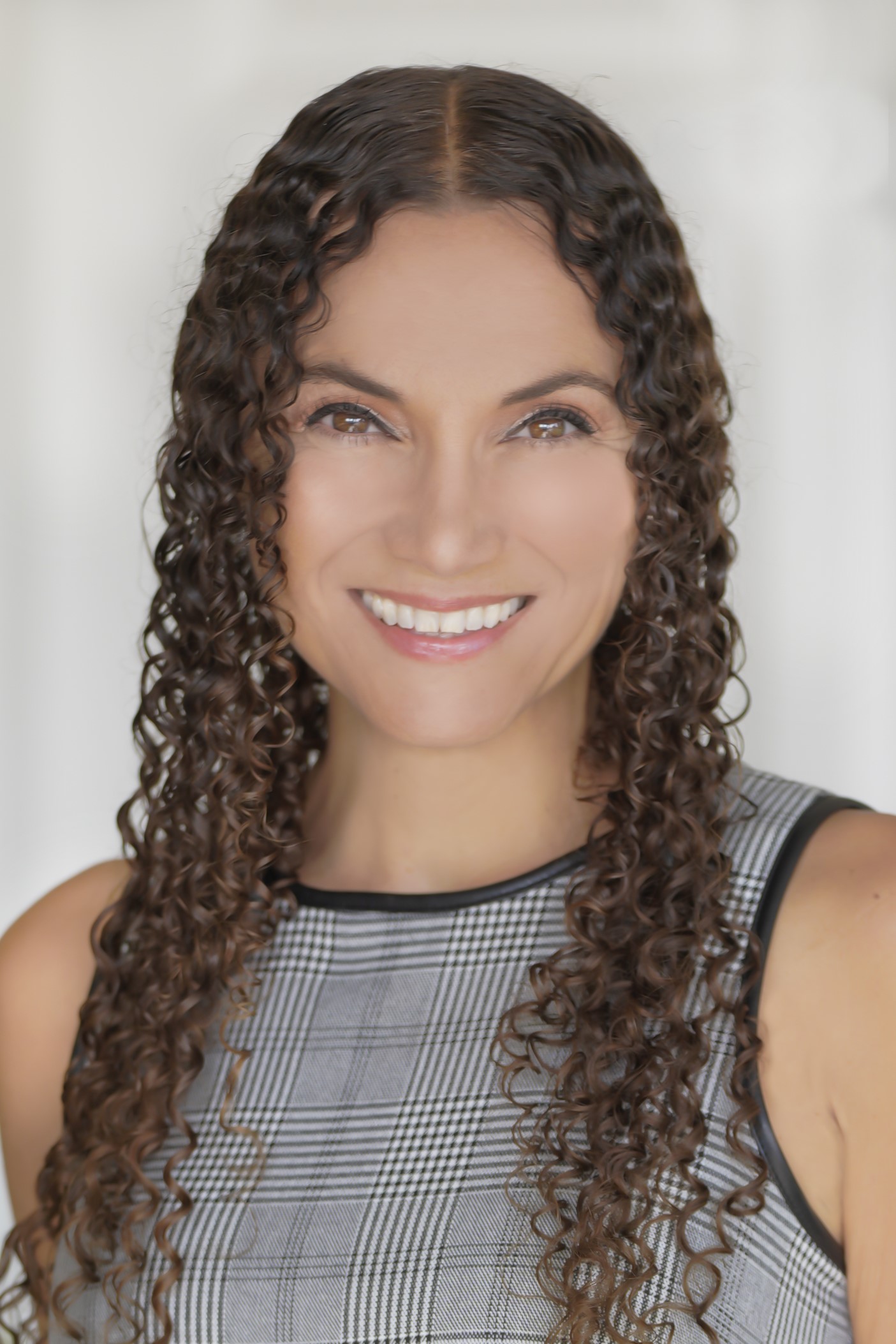
Dr. Rebecca Brooks is an Associate Professor of Education for the School of Education and Program Director for the Aspiring Scholars Program (an inclusive post-secondary education program for students with intellectual disabilities) at California State University at San Marcos. Dr. Brooks has worked with individuals with disabilities in recreational, vocational, residential, and educational settings for over 30 years. Prior to her faculty appointment, she served as a special educator in public schools for 16 years, dedicating her career to including students with disabilities in general education settings. She developed peer tutoring programs and focused on creating accessible curriculum for all students. Her published works have been in the areas of inclusive education, curriculum adaptations, and peer tutoring. She is a nationwide presenter and consultant in the area of effective inclusive schooling practices. Her research interests focus on access to general education curriculum, accommodations and modifications, the development and implementation of peer tutoring support systems, and inclusive post-secondary education programs.
- Email: rbrooks@csusm.edu
- Phone: (760) 750-8506
- Shannon McAndrews

Dr. Shannon McAndrews has over 35 years of experience in the educational community. Over the course of her career, she has been afforded the opportunities to teach at every grade level from preschool to college and has held both instructional and supervisory roles within the educational arena (public and private). Dr. McAndrews earned her bachelor's degree from San Diego State University, her master's degree and Teaching Credentials from University of San Diego, and doctorate degree from Pepperdine University.
Currently, Dr. McAndrews is the CSUSM Multiple Subject Program Coordinator, Clinical Practice Coordinator (K-8th grades), and CSUSM Residency Program Liaison. Bringing her depth and breadth of experience and expertise to CSUSM, Dr. McAndrews coaches teacher candidates enrolled in the Multiple Subject, Education Specialist and Middle Level programs. Dr. McAndrews is an instructor (Teaching and Learning, Literacy, Seminar) and works as a liaison between the Faculty, Teacher Candidates and School Site Educators to provide quality experiences and outcomes.
During her career with AVID Center, a non-profit international educational organization, Dr. McAndrews designed, developed, and supervised the national/international rollout, curriculum, and professional learning of AVID Elementary (K-8 Model). AVID Elementary became and remains a solid component within the AVID organization. Dr. McAndrews collaborated with AVID's founder, Mary Catherine Swanson, overseeing the physical, online, and ongoing collection for AVID Center’s Heritage Project. With the Professional Learning and Curriculum teams, in addition to AVID Elementary, Dr. McAndrews guided the design and development of a suite of resources (K-16), website/video development, and instructional delivery resources focusing on College and Careers, Academic Language and Literacy, as well as Disciplinary Literacy for elementary, middle, high, and postsecondary educators and students.
Bringing a passion for equity and access for all learners, and a focus on balancing academics, athletics and the arts; Dr. McAndrews is ardent about coaching educators and enhancing her service in the educational learning community.
- Email: smcandrews@csusm.edu
- Phone: (760) 750-4300
- Jodi Robledo
Dr. Jodi Robledo is a Professor in Special Education at California State University, San Marcos and serves as the Program Coordinator of the Education Specialist Credential Programs and Master’s Degree option. Dr. Robledo also teaches courses in the Speech-Language Pathology Department. Prior to this appointment, she was K-12 Autism Specialist and Education Specialist in an urban multicultural school district. Dr. Robledo currently teaches courses with a focus on Autism Spectrum Disorder, supporting individuals with moderate/severe disabilities, and inclusive education. She has joint referred journal publications, several book chapters, and numerous national conference presentations. Her research interests focus on Autism Spectrum Disorder, supportive relationships, sensory and movement differences, building self-advocacy skills in youth with ASD, and inclusive education.
- Email: jrobledo@csusm.edu
- Phone: (760) 750-4317
Contact
Special Education Program Coordinator:
Dr. Jodi Robledo - jrobledo@csusm.edu