

 myCSUSM







Important Update
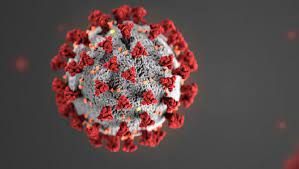
The County of San Diego Health and Human Services Agency (HHSA) has notified CSUSM that an individual affiliated with our campus has a confirmed case of active multidrug-resistant tuberculosis (MDR-TB). TB is a disease that generally develops over weeks and months and is usually curable with medications.
The affected possible exposure dates range from Dec. 15, 2025, through May 14, 2026. We are following established HHSA public health protocols to communicate directly with those who had close contact with the individual with TB during the exposure period. Those individuals are being notified and asked to be tested for tuberculosis exposure. HHSA determines who should be tested for TB infection, and we are working closely with the agency to ensure that care and resources are offered to all those impacted. The risk to the broader campus is low.

TB Resources
If you believe you may have been exposed and have not been contacted directly, or if you are a healthcare provider caring for those with known exposure, call the County Tuberculosis Control Program at (619) 692-8621 for guidance.
For more information about TB, visit the Centers for Disease Control website:
For students
- Student Health & Counseling Services (SHCS) for physical and mental health needs.
- Cougar Care Network for connection to resources, advocacy and support.
For employees
- Human Resources or Workers' Comp or questions related to staff and MPP health benefits and other employee resources.
- Faculty Affairs for questions related to faculty health benefits and other employee resources.
- Employee Assistance Program (EAP) for confidential services for a wide range of concerns – available to all CSUSM employees.
Safety, Health & Sustainability (SHS) for any occupational health and safety inquiries.

General Prevention
Many respiratory viruses such as influenza (flu), COVID-19, and respiratory syncytial virus (RSV) circulate year-round in the United States and California. Respiratory viruses can cause cold or flu-like symptoms. They can spread through the air by coughing or sneezing. These illnesses share similar symptoms, risk factors, and prevention strategies.
We are still recommending these general health & safety protocols for infection control:
- Stay home when you are sick or have flu or cold symptoms.
- If you have been exposed to someone that has tested positive for COVID-19, the Flu, or RSV, watch for symptoms. It is recommended that you wear a well-fitting mask indoors around others for 10 days. CDPH When to Wear a Mask.
- Get vaccinated and protect yourself from these viruses. Use VaccineFinder to locate a COVID vaccine near you.
- Face Coverings – When required and recommended, utilize Personal Protective Equipment (PPE) or Community Protective Equipment (CPE).
- Practice Cough Etiquette – Remember to always cover your mouth and nose with a tissue when you cough or sneeze, or use the inside of your elbow.
- Hand Hygiene – Wash your hands with soap and water for 20 seconds or utilize hand sanitizer when running water and soap is not available.
- Distancing – Although physical distancing is no longer required, it is always recommended to give people their space when it is possible. It is equally important to know what the comfort level is when you approach another person during your initial greetings. Hugging and handshakes are not recommended.
- Avoid sharing food, cups or utensils.
- Get additional prevention strategies and information from the CDC page: Preventing Spread of Respiratory Viruses When You’re Sick.
Face Covering Guidance
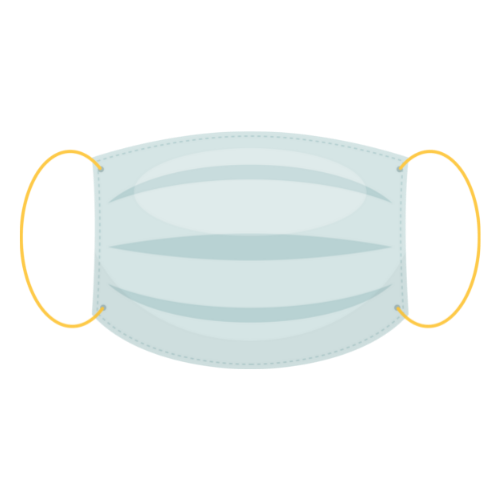
- At this time, face coverings are not required. We fully support and respect those who wish to continue wearing face coverings as an effective way to protect oneself and others.
- A face covering is defined as a surgical mask, a medical procedure mask, a respirator worn voluntarily, or a tightly woven fabric or non-woven material of at least two layers. A face covering has no visible holes or openings and must cover the nose and mouth. A face covering does not include a scarf, ski mask, balaclava, bandana, turtleneck, collar, or single layer of fabric. Source: 8 CCR §3205(b)(8)
- Face shields: Clear face shields will be offered to faculty, staff, and students where applicable due to the nature of their work and/or their work areas. This may include work in research laboratories or other instructional spaces where maintaining sufficient social distancing is challenging. In this case, it is used in conjunction with a face covering. Also, it is used for approved accommodations (via HR or DSS). The face shields are reusable and can be disinfected after use with disinfectant spray or disinfecting wipes. The face shield when used without a face covering must include a drape. This drape is adhered to the bottom of the shield.

Links
PCR Testing for COVID-19, Flu A, Flu B and RSV is now available by same-day appointment at the following public health centers. San Diego HHSA Testing Schedule
Stay up to date on recommended vaccines. Vaccines are a core strategy to prevent serious illness and hospitalization.
- Find a testing site
- My Turn CA (vaccination information) | California Department of Public Health
- Information on Vaccines (Myth vs. Fact) | SD County HHSA
- I'm Fully Vaccinated, Now What? (English, Spanish) | SD County HHSA
- Keep California Healthy | CA.gov
- 2024-2025 Immunization Guide
- Protect Yourself from Flu
- RSV (Respiratory Syncytial Virus)
- Agency communications on masks:
-
- Cal/OSHA | November 8, 2022
- California Department of Public Health | January 15, 2025
-
- Covered Cougar Distribution Center